October 24, 2026
Can Dirty Cells Cut Power? Solar Panel Cleaning Insights
By @zanepvkd585
Yes, dirty solar panels can produce less electricity. Dust, bird droppings, pollen and other deposits on the glass reduce the sunlight reaching the solar cells underneath. The effect depends on how much dirt is present, where it settles, the panel angle and the design of the system.
For property owners in Prospect, the useful question is not simply whether panels look dirty. It is whether cleaning is likely to improve performance enough to justify the cost, and how to arrange it without damaging the equipment or creating a safety risk. Solar Panel Cleaning is specialist maintenance, not ordinary pressure washing.
This guide explains how soiling affects solar output, how to recognise a potential problem, and what to look for when choosing a local cleaning service.
How Dirt Reduces Solar Panel Output
Solar cells convert light into electricity. Most rooftop panels protect those cells beneath a glass surface, so the material being cleaned is generally the glass, not the https://emilianountr024.lumenforgex.com/posts/commercial-pressure-cleaning-checklist-for-local-business cells themselves. When contamination covers that surface, less usable light reaches the cells.
A light, even film of dust may cause a modest reduction. Thick bird droppings, accumulated leaf debris or stubborn deposits can block light more severely. The loss is not necessarily proportional to the area covered because cells operate within an electrical arrangement that responds to uneven illumination.
Why Small Dirty Patches Can Matter
Solar panels contain interconnected cells, and uneven shading can restrict the output of an affected section. Bypass diodes help limit the consequences of shading, but they do not make dirt irrelevant. Depending on the panel and system configuration, a concentrated deposit can have a greater effect than its size suggests.
Persistent partial shading can also contribute to localised heating under some conditions. Cleaning removes surface contamination, but it does not repair damaged cells, faulty connections or defective bypass diodes. Visible discolouration, cracking or suspected overheating needs assessment by a qualified solar technician.
There Is No Universal Percentage Gain
Claims that every property will recover a fixed percentage of electricity after cleaning are misleading. Soiling losses vary with rainfall, nearby activities, roof pitch, surrounding vegetation and time between effective washes.
A heavily contaminated array may benefit noticeably, while a relatively clean array may show little measurable improvement. A responsible provider should explain this uncertainty rather than promise a guaranteed production increase.
What Makes Solar Panels Dirty in Prospect?
Conditions vary between properties in Prospect. Panels near busy roads, building works, mature trees or regular bird activity can collect different types of contamination. The roof layout also matters: low-angle panels generally shed water and loose debris less readily than steeper installations.
Before booking a clean, consider what is landing on the array and whether the source is temporary or ongoing.
- Airborne dust: Traffic, exposed soil and nearby construction can leave a film across the glass.
- Bird droppings: These can create dense, localised shading and may remain after ordinary rain.
- Pollen and organic residue: Seasonal deposits can adhere to glass, particularly when mixed with moisture and dust.
- Leaves and twigs: Debris may shade panels or collect around mounting hardware and drainage paths.
- Runoff deposits: Dirt can accumulate near lower panel edges where water drains or pools.
Look for patterns from a safe position on the ground or through existing monitoring equipment. Do not climb onto the roof simply to inspect contamination.
Does Rain Clean Solar Panels Properly?
Rain can remove loose dust and help maintain panel cleanliness, especially on well-tilted arrays. However, it does not reliably remove every deposit. Bird droppings, sticky organic material and dirt trapped along panel edges can remain after rainfall.
Light rain can also redistribute dust rather than carry it completely away. Conversely, regular substantial rain may keep an exposed, pitched array clean enough that frequent professional cleaning offers little financial benefit.
The practical approach is to assess the actual condition of the panels. Neither “rain always cleans them” nor “every array needs frequent washing” is a dependable rule.

How to Tell Whether Dirt Is Affecting Performance
A lower electricity bill is not a reliable measure of panel cleanliness. Bills also reflect household consumption, tariffs, battery operation and how much electricity is exported. Your inverter portal or monitoring app provides a more useful starting point.
- Check for faults first. Review inverter alerts, communication problems and unexpected shutdowns before assuming dirt is responsible.
- Review daily energy production. Compare kilowatt-hours generated across several days rather than relying on one momentary power reading.
- Account for conditions. Consider cloud cover, seasonal daylight, temperature and changes in tree shading.
- Inspect safely. Look for obvious droppings, debris or uneven deposits without accessing the roof.
- Compare after cleaning. Use multiple reasonably comparable days and recognise that changing weather prevents a perfectly controlled comparison.
In 2026, many monitoring platforms make historical production easier to review, but not every installation has individual-panel monitoring. Even when panel-level data is available, a weak reading can indicate shading, contamination or an equipment problem; it is not a diagnosis by itself.
If production drops suddenly or remains unusually low after cleaning, contact a qualified solar technician. Cleaning cannot correct an inverter fault, damaged cable or failed electrical component.
How Often Should Solar Panels Be Cleaned?
There is no single cleaning interval that suits every Prospect property. A sensible starting point is to review panel condition and production data periodically, then arrange cleaning when there is evidence of persistent contamination.
Properties with frequent bird activity, nearby dust sources or low-pitch panels may need more attention. Arrays that receive effective rainfall and have little surrounding vegetation may need less. Check the panel manufacturer's maintenance instructions before adopting any schedule.
Base cleaning frequency on site conditions, manufacturer guidance and likely benefit—not a blanket promise that more cleaning always means better value. An accessible inspection after a nearby construction project or a noticeable increase in bird activity can be more useful than automatically repeating the same appointment interval.
Safe Solar Panel Cleaning Methods
Avoid High-Pressure Washing
Methods used for Driveway Cleaning or Commercial Pressure Cleaning are not automatically suitable for solar panels. High-pressure water can damage seals, disturb components or force water into areas not designed for that exposure.

A suitable cleaning method generally uses controlled, low-pressure water and a soft, non-abrasive brush approved for the panel surface. However, the manufacturer's instructions take priority, including any restrictions on equipment, water quality and cleaning products.
Use Suitable Water and Cleaning Products
Purified or demineralised water can help reduce mineral spotting. Where detergents are permitted, they should be compatible with the panel manufacturer's requirements and thoroughly rinsed as directed. Strong chemicals, abrasive pads and scraping tools can damage glass or surface coatings.
Cleaning is generally best planned when panels are cool, rather than spraying cold water onto hot glass. The cleaner should also manage runoff so that dirty water or chemicals from surrounding surfaces do not contaminate the array.
Respect Electrical and Roof-Access Risks
Solar panels can generate electricity whenever light reaches them. Switching off the inverter does not make every cable and component on the roof electrically dead. Cleaning workers should understand the installation's hazards and follow applicable isolation and safety procedures.
For a rooftop array, professional help is usually the safer option. Wet roofs, fragile roofing materials, ladders, overhead powerlines and concealed electrical damage all create risks. Never walk on panels, open electrical enclosures, disconnect plugs or attempt repairs as part of a cleaning task.
Is Professional Cleaning Worth the Cost?
The financial value depends on the amount of production recovered and what that electricity is worth to you. Electricity used directly in the property may offset a higher retail rate, while exported electricity may receive a lower payment. Battery operation can also influence the calculation.
For example, if cleaning recovers an estimated 100 kilowatt-hours over a period and each recovered kilowatt-hour is worth an average of $0.25, the electricity benefit is about $25. These are illustrative figures, not a prediction for a Prospect property.
Ask for a clear quote and compare it with a realistic estimate of the benefit. A clean may still be appropriate to remove substantial contamination or follow manufacturer maintenance guidance, but providers should distinguish those reasons from claims of immediate bill savings.
Coordinating Cleaning Around the Property
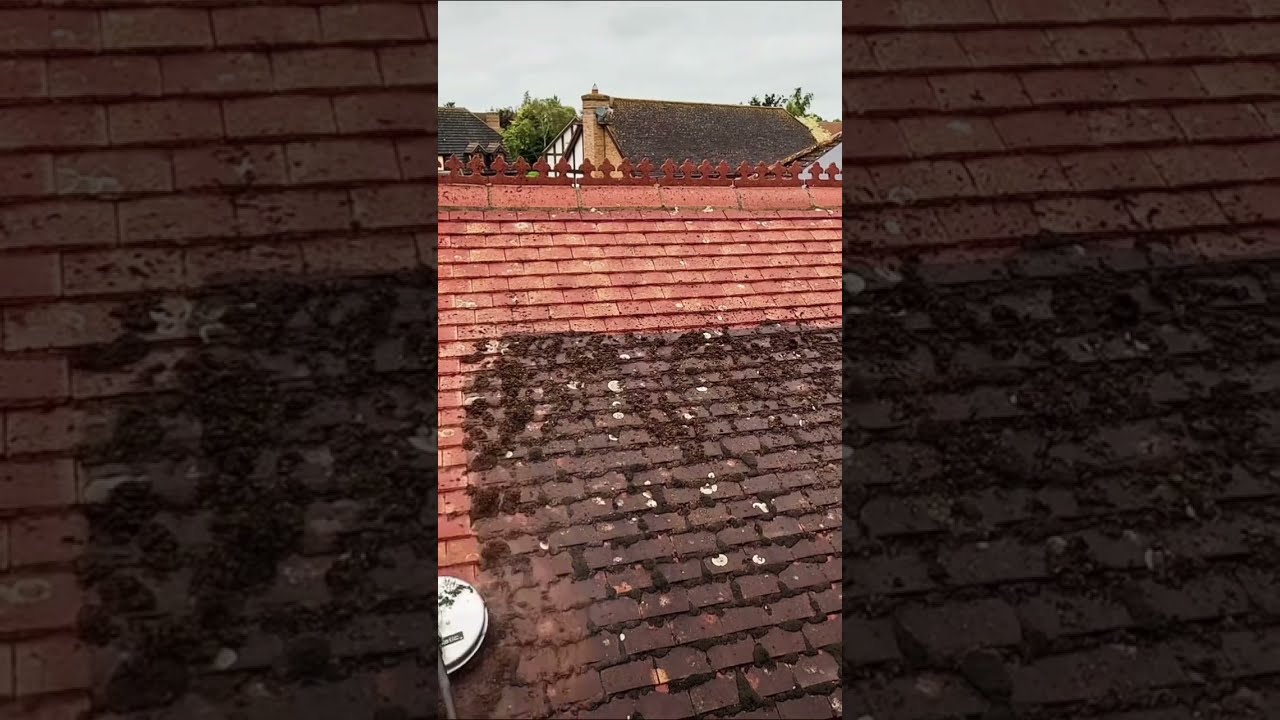
Solar maintenance often overlaps with other exterior services, but each surface needs its own method. If you are arranging Roof Cleaning, discuss how the panels, cabling and mounting equipment will be protected from chemicals, debris and unsuitable water pressure. Roof treatment products should not be applied to panels unless specifically permitted by the panel manufacturer.
Gutter Cleaning can help keep nearby drainage paths clear, although clean gutters do not directly increase solar output. Where roof work will dislodge dirt, it often makes sense to complete that work before the final panel clean.
House Washing, Deck Cleaning and other exterior maintenance can sometimes be coordinated in one visit. The convenience should not come at the expense of specialist methods. Ask the contractor how they prevent spray drift, manage runoff and keep roof access clear.
Choosing a Solar Panel Cleaning Service in Prospect
Look for a provider who explains the proposed method, checks manufacturer requirements and assesses safe access before starting. Appropriate insurance, roof-work procedures and experience around solar equipment matter more than broad claims about restoring panels to “maximum efficiency.”
Ask whether the quote covers all panels, what happens if damage is discovered, and whether before-and-after photographs are available. A cleaner should report visible concerns without representing a wash as an electrical inspection or certification.
For commercial properties, also discuss access arrangements, public exclusion areas and disruption to normal operations. Electrical defects should be referred to an appropriately licensed professional, not handled as an incidental cleaning task.
Keep Panels Clean Where It Counts
Dirty panels can cut solar production, but the size of the loss varies. For Prospect property owners, the best approach combines safe visual checks, sensible use of monitoring data and cleaning methods that follow manufacturer guidance.
Clean when there is a clear reason, avoid aggressive washing, and investigate unexplained performance losses rather than assuming dirt is always responsible. That approach protects the equipment while keeping maintenance practical and cost-conscious.
Prospect Pressure Cleaning
Unit 2/77 Prospect Rd, Prospect SA 5082
ph. (08) 7282 0629
❧